
Is Online Gambling Legal in Canada? A Province-by-Province Guide
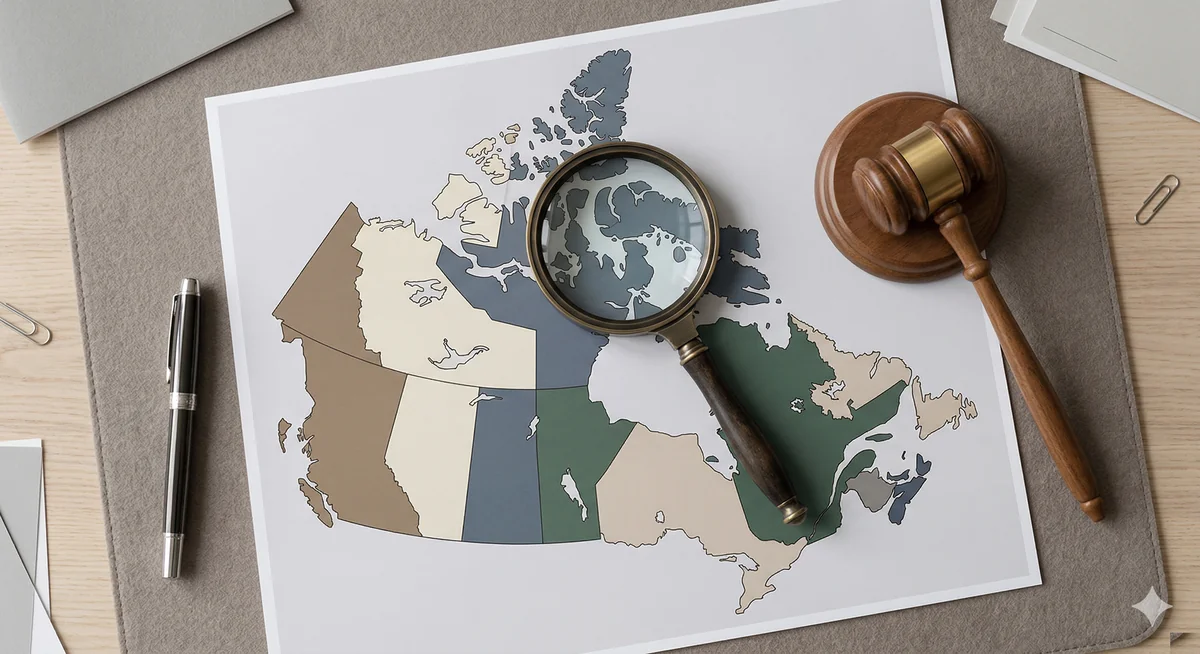
Is Online Gambling Legal in Canada? A Province-by-Province Guide
If you've typed "is online gambling legal in Canada" into a search engine, you're not alone. It's one of the most common questions Canadian players ask — and the answer is more nuanced than a simple yes or no. The short version: playing at online casinos is not illegal for Canadian residents, but the rules vary significantly depending on which province you're in and whether the casino holds a Canadian licence. Here's what you need to know.
The Federal Picture: Canada's Criminal Code and Online Gambling
Canada's Criminal Code governs gambling at the federal level. Under the Code, provinces have the exclusive right to conduct and manage gambling within their borders. The legislation was written long before the internet existed, which means it doesn't specifically address offshore online casinos — and this gap is at the heart of the grey area Canadian players find themselves in.
The law makes it illegal for a private company to operate a gambling business within Canada without provincial authorisation. However, it does not explicitly make it illegal for an individual player to gamble at an offshore website. In practice, no Canadian player has ever been charged for accessing and playing at an offshore online casino. The risk — to the extent there is any — sits with the operators, not the players.
This distinction matters. When people ask whether online gambling is legal in Canada, they usually want to know whether they'll get in trouble for playing. Based on the current legal landscape, the answer is no — but you should understand how each province has approached the issue.
Province-by-Province Breakdown
Ontario
Ontario is the most developed regulated iGaming market in Canada. In April 2022, the Alcohol and Gaming Commission of Ontario (AGCO) and its subsidiary iGaming Ontario (iGO) launched a framework allowing private online casino and sportsbook operators to enter the Ontario market legally. This was a significant shift — for the first time in Canada, a province created a competitive, privately operated online gambling market with meaningful consumer protections attached.
Under this framework, licensed operators must meet strict standards: responsible gambling tools, advertising restrictions, player fund protection, and regular audits. Players in Ontario who use iGO-registered operators have stronger protections than those using offshore sites.
The province's public operator, OLG, continues to run its own platform. But the iGO framework means Ontarians now have access to a regulated, competitive market. Offshore casinos still accept Ontario players, but they operate outside the provincial framework — something worth understanding when you choose where to play.
British Columbia
BC has its own provincially operated online gambling platform: PlayNow.com, run by the British Columbia Lottery Corporation (BCLC). This is the only online casino legally authorised to operate within BC. The province has not opened its market to private operators in the way Ontario has.
Residents of BC who play at offshore casinos are doing so in the same grey area that exists federally. There is no provincial legislation specifically targeting players, but there's also no regulated private market. GameSense, BC's responsible gambling programme, is available to players via the BCLC platform.
The minimum gambling age in BC is 19.
Alberta
Alberta's online gambling landscape is managed by the Alberta Gaming, Liquor and Cannabis Commission (AGLC), which operates PlayAlberta.ca. Like BC, Alberta has not created a regulated private online casino market.
Alberta residents who want to play at an online casino officially are directed to PlayAlberta. Many choose offshore casinos instead, which is again a grey area rather than an illegal act for players. Alberta's minimum gambling age is 18.
Quebec
Quebec has Loto-Québec, which runs EspaceJeux.com — the province's sanctioned online gambling platform. It offers casino games, sports betting, and poker. Quebec has periodically discussed ways to restrict access to offshore operators, including DNS blocking, though enforcement has been inconsistent and players have continued to access offshore sites freely.
Quebec's minimum gambling age is 18. The province's responsible gambling resource is Jeu: aide et référence.
Other Provinces
The Atlantic provinces (Nova Scotia, New Brunswick, PEI, Newfoundland and Labrador) and the Prairie provinces (Saskatchewan, Manitoba) each have their own lottery corporations and provincially operated gambling platforms. None have opened regulated private online markets. In all cases, players accessing offshore casinos are operating in the same legal grey area — tolerated, but not formally regulated.
The Offshore Casino Grey Area
Most of the online casinos you'll find recommended on sites like this one operate under licences from international jurisdictions — primarily Curaçao, Malta (via the Malta Gaming Authority), and increasingly Anjouan. These operators are not licensed by a Canadian province, but they accept Canadian players legally under their home jurisdiction's rules.
For players, this means you're dealing with a casino that isn't directly supervised by a Canadian regulator. That's not inherently dangerous — many offshore casinos are reputable, well-established operations with strong track records — but it does mean that if something goes wrong, your options for formal complaint within Canada are limited. You'd be relying on the casino's home regulator to intervene, and the quality of that oversight varies.
Outside of Ontario's iGO framework, there's no national body that certifies offshore casinos as safe for Canadian players. This is why independent review sites, player forums, and word of mouth play such an important role in helping players identify trustworthy operators.
How to Stay Safe When Playing at Online Casinos
Whether you choose a provincially licensed platform or an offshore casino, there are steps you can take to protect yourself:
- Check the licence. Look for casinos licensed by the MGA (Malta), UKGC (UK), or Curaçao. Ontario players can check the iGO register for provincially licensed operators.
- Verify the casino's reputation. Look for established operators with years of operating history, independently verified payout reports, and no unresolved payment complaints.
- Use Interac or other traceable payment methods. Avoid casinos that only accept cryptocurrency or obscure payment processors — it makes dispute resolution harder.
- Read the bonus terms before claiming anything. Wagering requirements, withdrawal caps, and time limits are often where problems arise. A bonus that looks attractive can be effectively worthless if the conditions make it nearly impossible to convert.
- Complete your KYC (Know Your Customer) verification early. Reputable casinos will ask for identity documents before allowing withdrawals. Do this proactively to avoid delays when you want to cash out.
- Set deposit and session limits before you start. Responsible gambling tools are available at most reputable casinos. Use them.
iGaming Ontario: What It Means in Practice
The April 2022 launch of iGaming Ontario was a landmark moment for Canadian gambling regulation. For the first time, Ontario players gained access to a competitive, privately operated market where the operators are accountable to a Canadian regulator.
Operators registered with iGO must comply with AGCO standards, which include: advertising restrictions that prohibit targeting vulnerable people, mandatory responsible gambling messaging, tools like self-exclusion and deposit limits, and protections for player funds. They're also required to report regularly to regulators.
If you're an Ontario resident, playing at an iGO-registered casino is the most legally straightforward option. You get the variety and promotions of private operators alongside formal Canadian oversight. That said, offshore casinos still attract many Ontario players, particularly those who prefer a wider game selection or different bonus structures.
Responsible Gambling
No matter where you play, gambling should always be approached as entertainment, not as a way to make money. The house edge means that over time, the casino will always have a mathematical advantage. Understanding this is the foundation of responsible play.
If you have concerns about your gambling habits, or those of someone you know, support is available across Canada:
- ConnexOntario: 1-866-531-2600 (available 24/7 — mental health, addiction, and crisis support)
- GameSense BC: Available via BCLC at bclc.com
- MyPlayBreak (Alberta): Self-exclusion programme via the AGLC
- Jeu: aide et référence (Quebec): 1-800-461-0140
- Problem Gambling Helpline: 1-800-463-1554 (national)
All of the resources above are free, confidential, and available at any time.
Summary
Online gambling is not illegal for individual players in Canada. The Criminal Code creates restrictions on operating gambling businesses without provincial authorisation, but does not criminalise individual play. Each province has its own regulated platform, and Ontario has gone further by creating a competitive regulated market open to private operators via iGaming Ontario.
Offshore casinos operate in a legal grey area. They're widely accessible to Canadian players and many are reputable, but they're not subject to Canadian regulation outside Ontario's framework. Knowing the difference — and choosing where to play accordingly — is the most important decision you can make as a Canadian player.
For more on evaluating specific casinos, see our guides on choosing a safe online casino, understanding wagering requirements, and what to look for in withdrawal policies.
Responsible Gambling Notice: Gambling is entertainment, not a source of income. If gambling is causing problems for you or someone you know, contact ConnexOntario at 1-866-531-2600 or visit connexontario.ca. Support is free and confidential.
Age Notice: Online gambling is for adults only. The minimum age is 19 in Ontario, British Columbia, and other provinces, and 18 in Alberta and Quebec. Please gamble responsibly.